Morgan Walter · 1 November 2026
Student Interest in Green Cloud Computing Prompts Universities to Update Curricula Worldwide
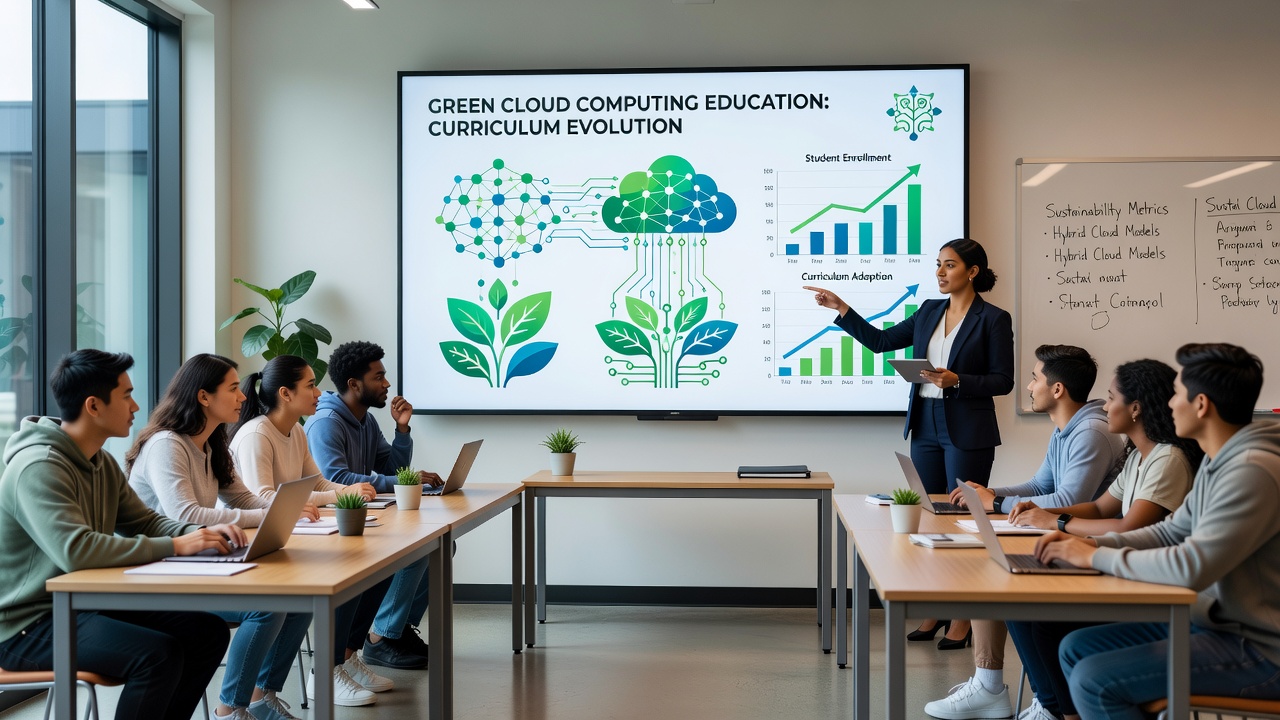
Universities across multiple regions have begun revising their computer science and information technology programs, and the catalyst comes directly from growing numbers of students who request coursework focused on energy-efficient cloud technologies. Data from enrollment surveys conducted between 2024 and 2026 shows consistent increases in questions about sustainability metrics, carbon accounting for data centers, and renewable energy integration in distributed systems. Institutions respond by adding dedicated modules rather than treating green practices as optional add-ons.
Enrollment Patterns Reveal Clear Preferences
Registration figures at technical faculties indicate that courses covering low-power server architectures, efficient virtualization techniques, and lifecycle assessment of cloud resources attract higher numbers of applicants each semester. Observers note that students arrive with prior exposure to climate reports, and they expect their degree programs to connect technical skills with measurable environmental outcomes. In several European and North American programs, waitlists for these specialized electives have lengthened while traditional infrastructure classes see stable or slightly declining interest.
Key Drivers Behind the Shift
Industry reports document rising electricity consumption by data centers, and students cite these figures when they petition departments for updated content. A 2025 study released by an international energy research body linked cloud expansion to specific percentages of global electricity use, prompting classroom discussions about optimization strategies. Faculty members report that learners frequently ask about tools for measuring power usage effectiveness and methods for shifting workloads to regions with cleaner grids. Such questions push departments to integrate practical labs rather than limiting coverage to theoretical overviews.
Curriculum Adjustments Underway
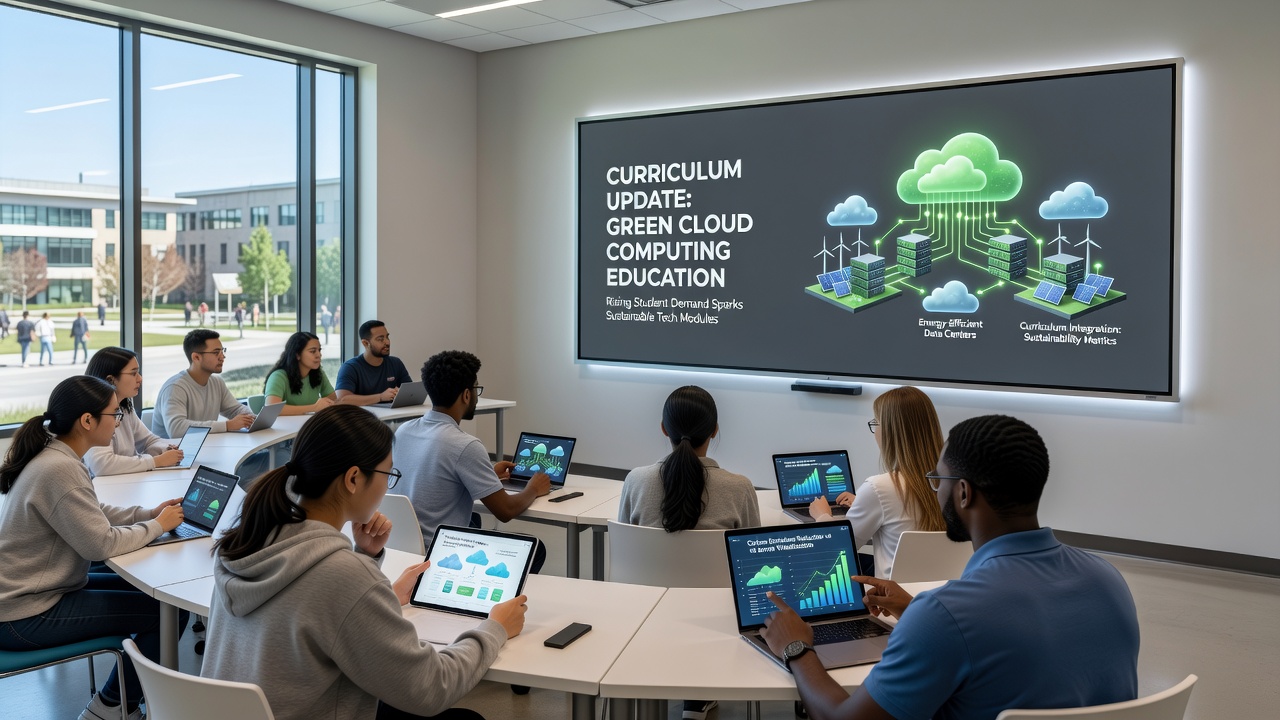
Departments have introduced required units on carbon-aware scheduling algorithms, container orchestration with energy constraints, and green software engineering principles. Some programs now require capstone projects that calculate emissions reductions achieved through redesigned cloud deployments. In November 2026, participants at an academic technology conference presented case studies from institutions that completed their first full cycle of revised syllabi, and the shared data showed measurable student performance gains on sustainability assessment tasks. These updates often occur alongside existing cloud certification tracks, creating combined pathways that address both operational efficiency and environmental impact.
Regional Examples of Implementation
North American faculties have partnered with utility providers to supply real-time grid data for student projects, while Australian programs emphasize water usage effectiveness in arid-region data centers. European institutions reference directives on energy efficiency when structuring new assessment criteria. One study from a Canadian research network examined how embedding these topics earlier in degree sequences affects long-term career placement in cloud operations roles. Results indicated that graduates with documented project experience in sustainable design received interview requests at higher rates from companies managing large-scale infrastructure.
Resource and Training Considerations
Departments allocate budgets for simulation software that models data center energy profiles, allowing students to test configurations without physical hardware. Professional development sessions for instructors focus on current standards from organizations such as the International Energy Agency and academic working groups that publish measurement frameworks. These sessions help ensure that new course materials reflect the latest published benchmarks rather than outdated assumptions about hardware efficiency.
Student-Led Input Shapes Content
Student organizations submit formal proposals that list desired learning outcomes, and curriculum committees incorporate many of those suggestions after review. Examples include requests for modules on serverless architecture optimization and comparisons of hyperscale versus edge deployments from an emissions standpoint. Records from faculty meetings show that such proposals often receive approval within one or two academic cycles when accompanied by supporting enrollment data.
Conclusion
Universities continue to track enrollment trends and employer feedback as they refine the balance between core cloud skills and sustainability requirements. Reports scheduled for release after November 2026 will provide additional datasets on whether these curriculum modifications translate into measurable reductions in training-to-employment gaps within green computing fields. The pattern observed so far centers on documented student demand leading to structured program updates across institutions.